Medical Imaging DICOM Project
Oct 5, 2025
·
1 min read
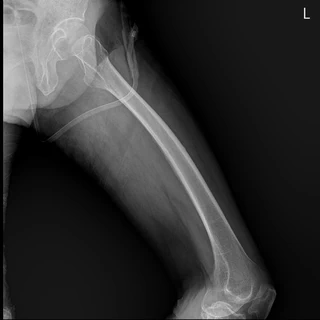
Project Overview
This project aims to develop a web-based platform for efficient visualization and analysis of medical imaging (DICOM) data.
To integrate AI diagnostic models from medical AI research into real clinical workflows,
we implemented an interface that allows simultaneous comparison and review of AI diagnostic results and original images.
Key Features
- 🩻 DICOM Viewer
Supports multi-frame (CT/MRI) images, zoom and pan functions, and window-level adjustments - 📏 Distance Measurement Tool
Enables precise millimeter-scale measurement using pixel spacing metadata - 🤖 AI Prediction Visualization
Displays predictions from PyTorch-based deep learning models as bounding box overlays - 🔄 Result Comparison Mode
Switch between original and AI-analyzed images with a single button - 🌐 Web-Integrated System
Built with FastAPI backend and Vue 3 frontend, enabling real-time data communication
Tech Stack
- Frontend: Vue 3, TypeScript, Pinia, SVG-based interactive tools
- Backend: FastAPI, Python, Uvicorn, PM2 (AWS EC2 deployment)
- AI Model: PyTorch, OpenCV, NumPy
- Others: DICOM metadata parsing (x00280030, x00280010, etc.), REST API communication
Project Significance
In medical imaging AI research, it is crucial not only to improve model accuracy
but also to develop tools that medical professionals can actually use.
This project goes beyond experimental AI development —
it is evolving into a “bridge” system connecting medical research and clinical practice.

Authors
Junho Lee
(he/him)
Undergraduate Student · Medical AI Researcher
I’m an undergraduate student in Computer Science at Jeonbuk National University. I’m passionate about AI-driven medical imaging systems and full-stack development integrating FastAPI and Vue.